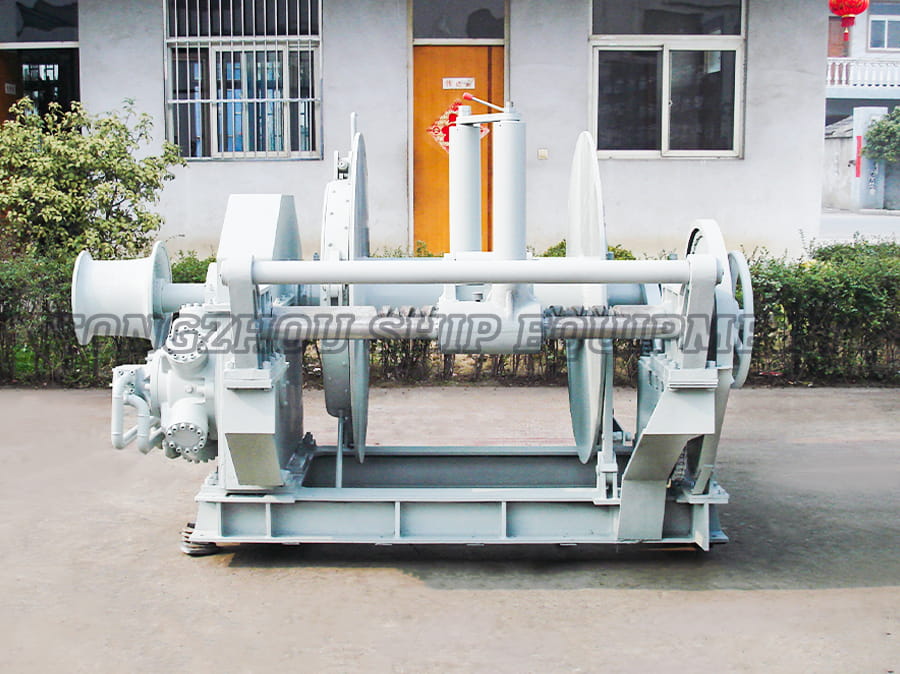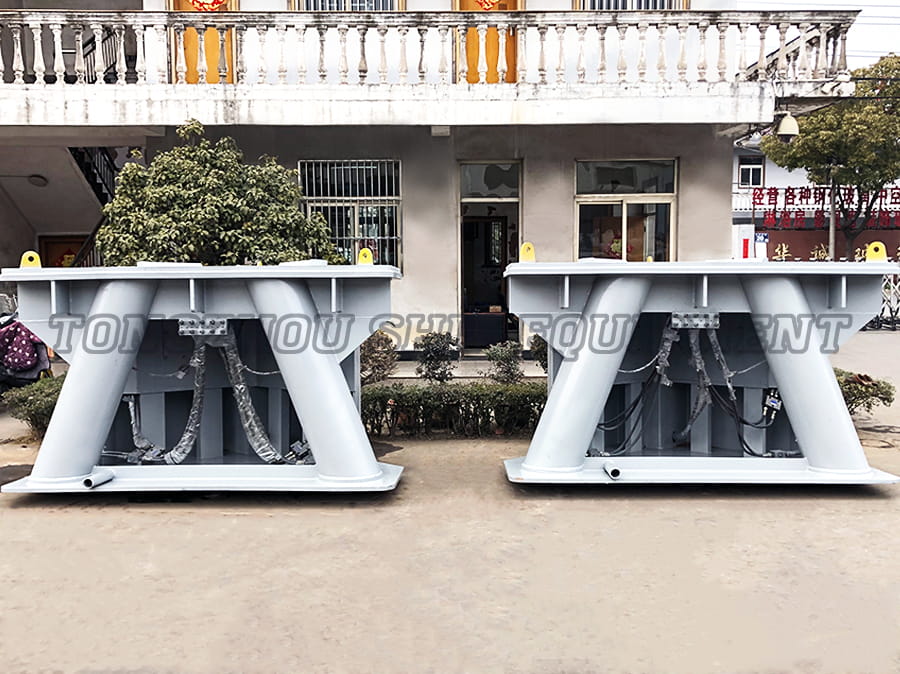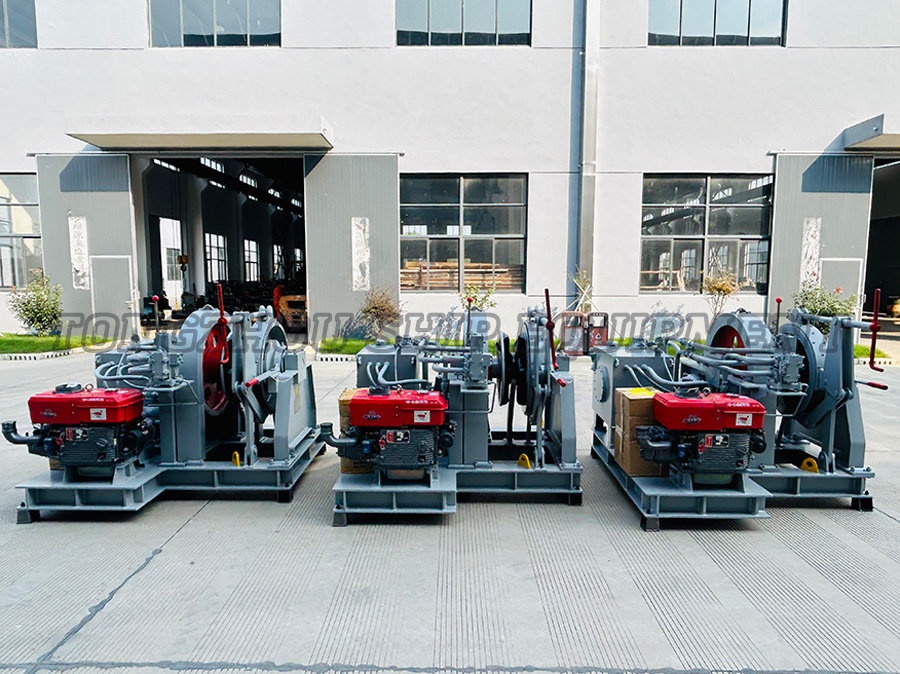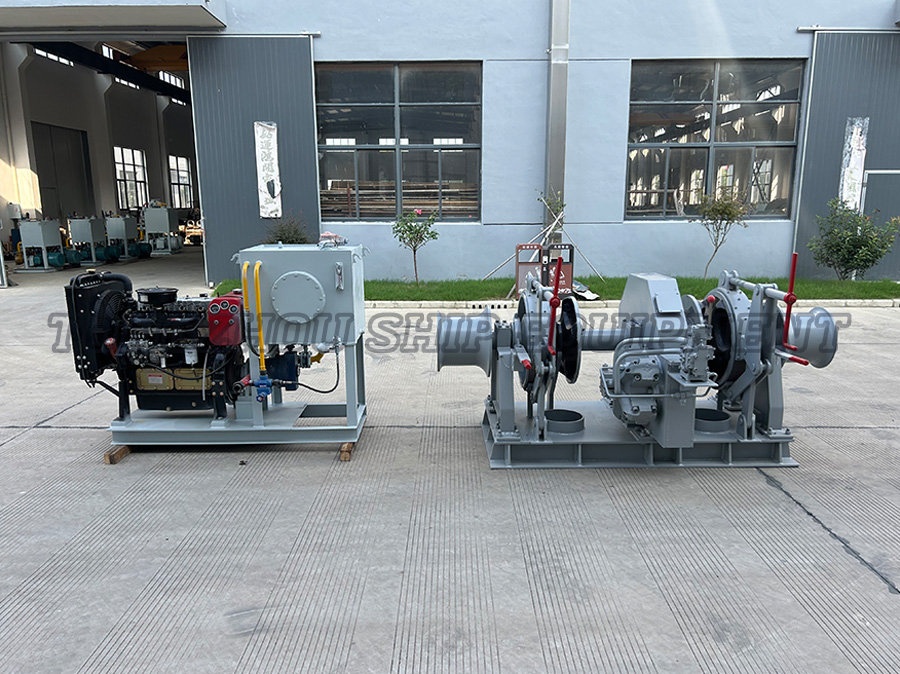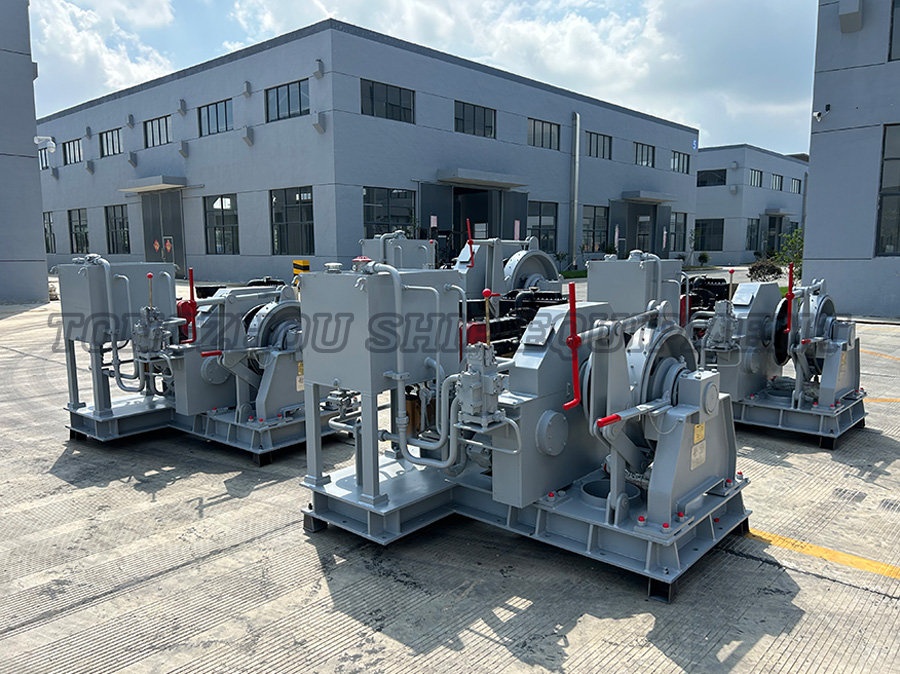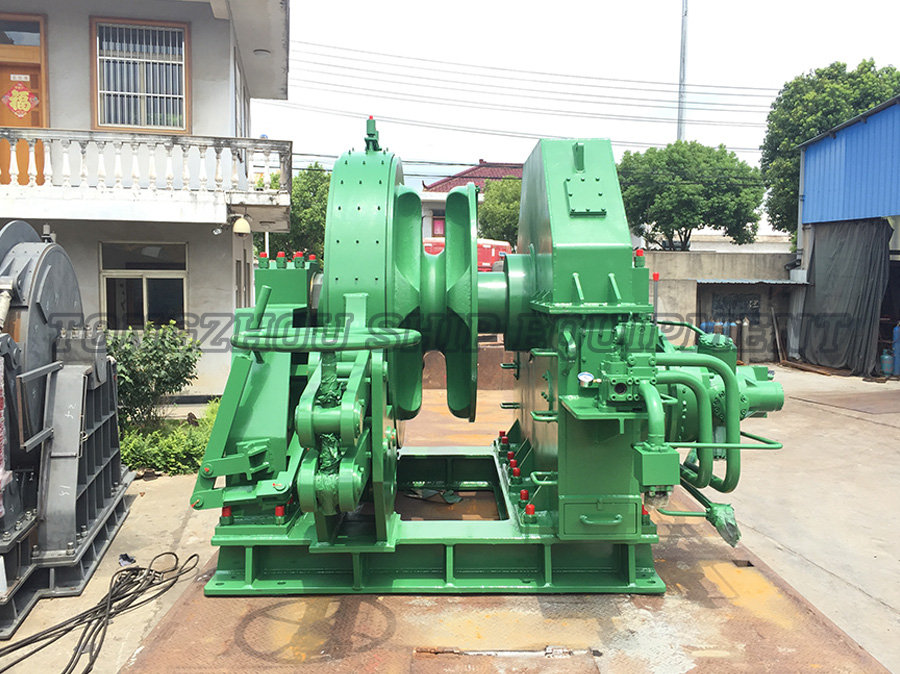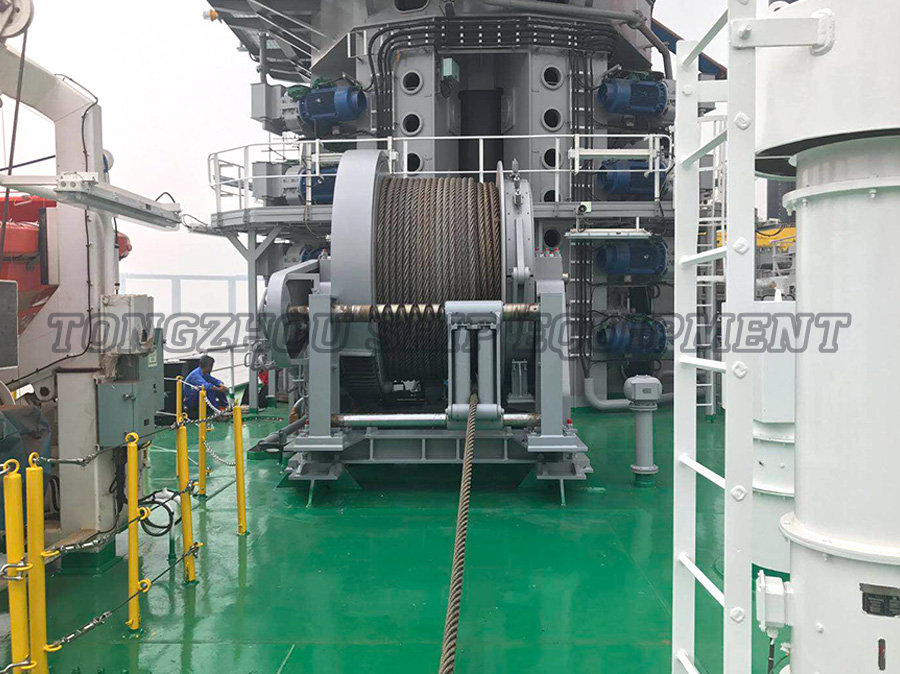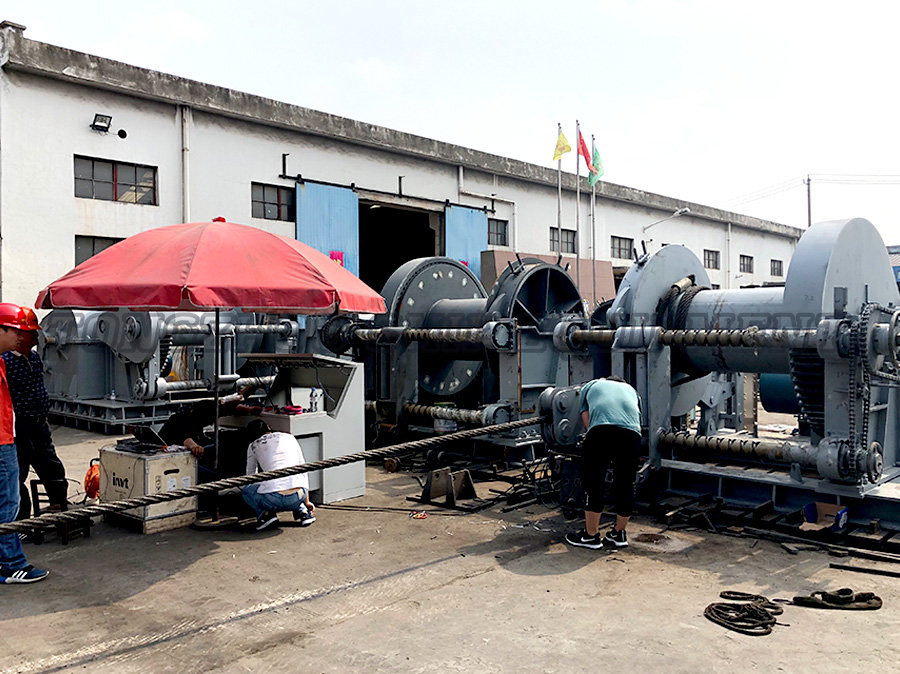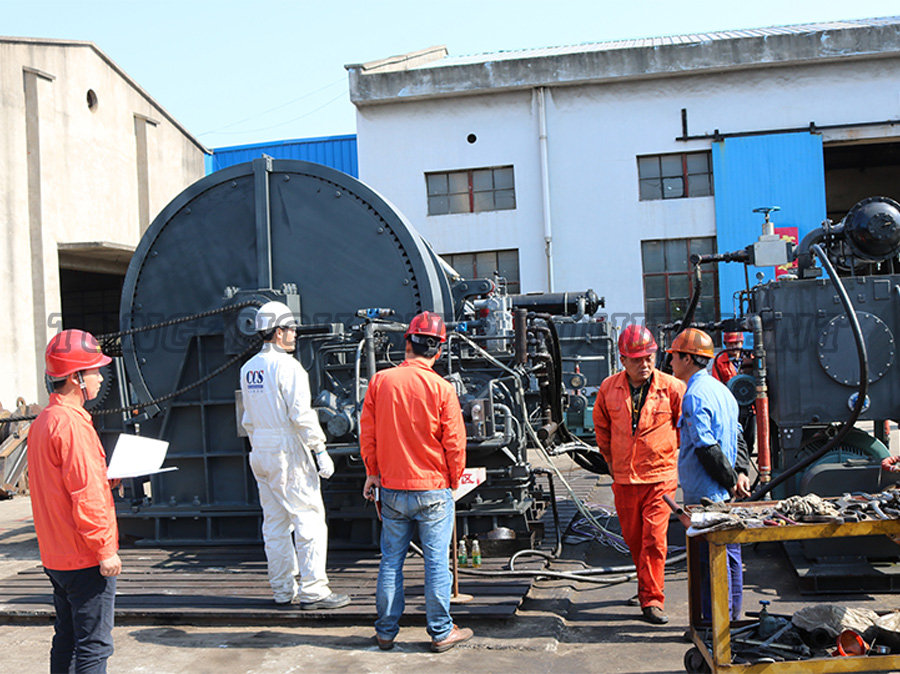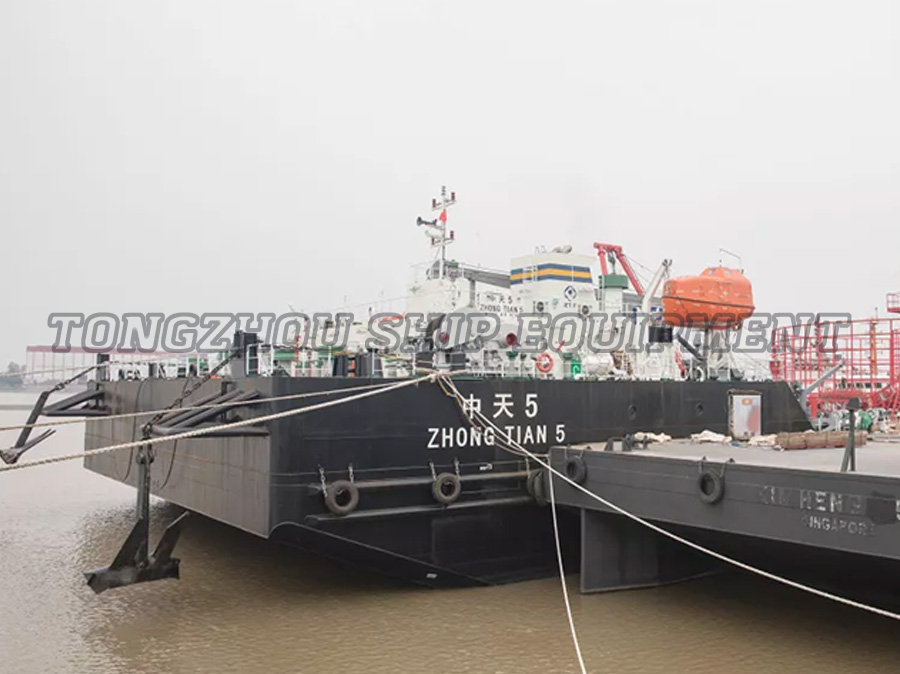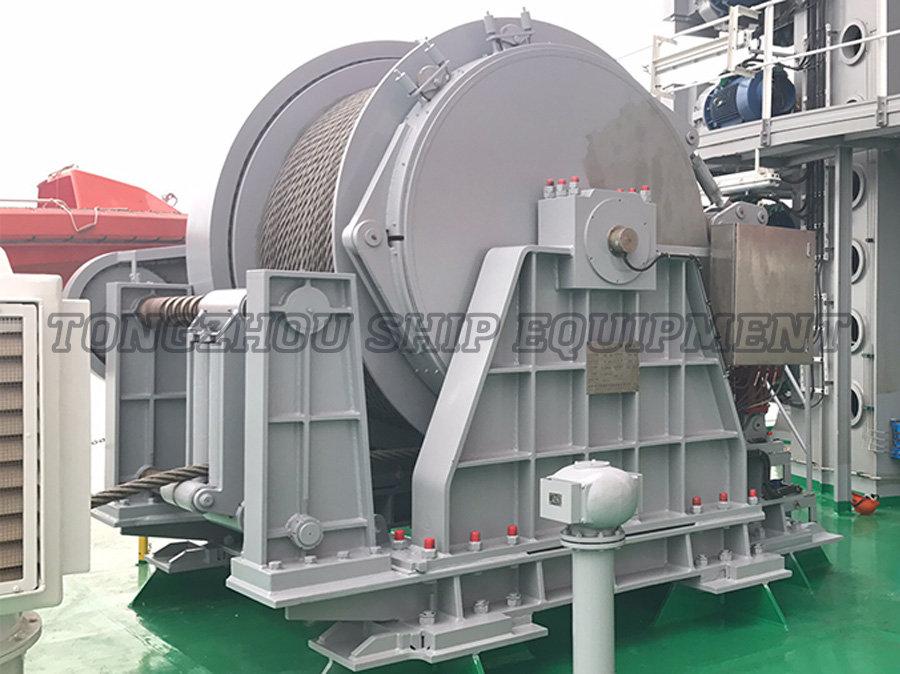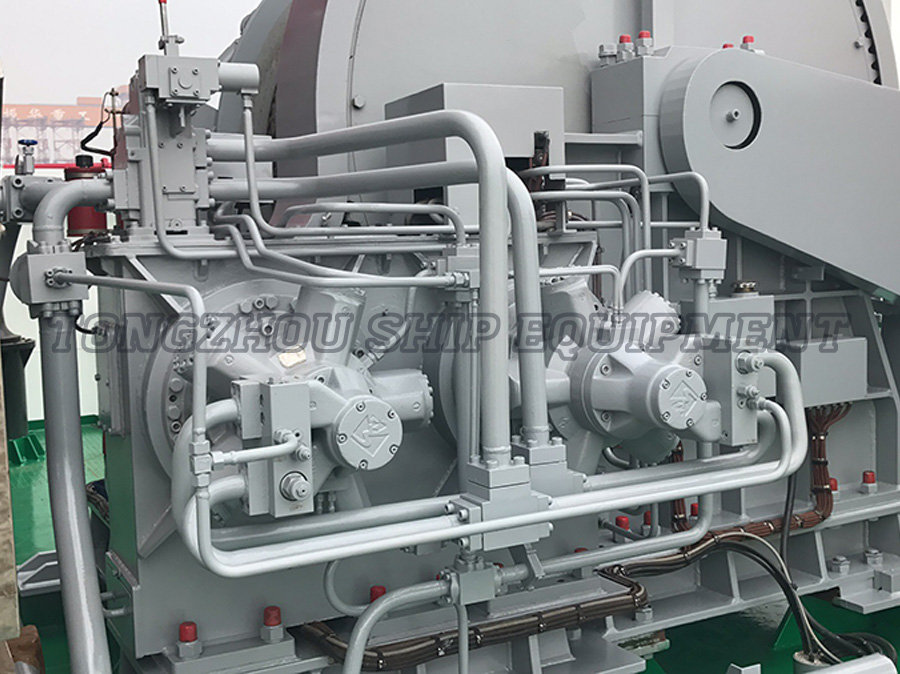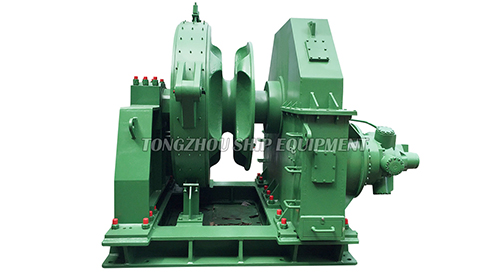
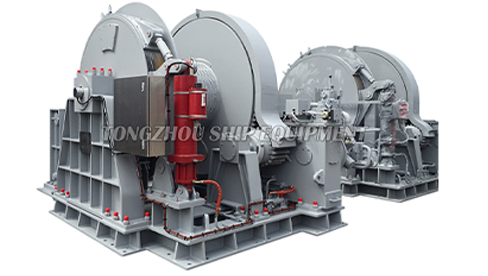
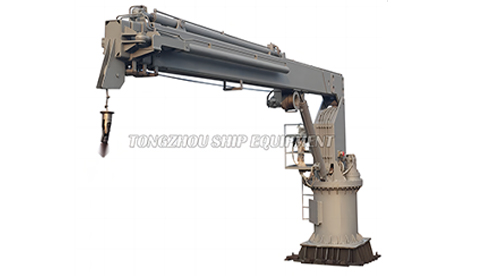
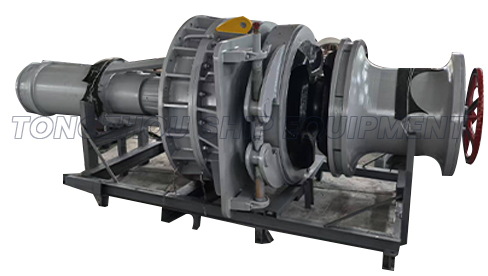
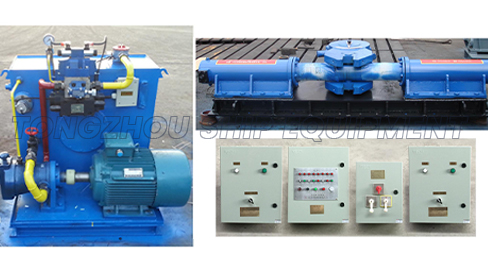
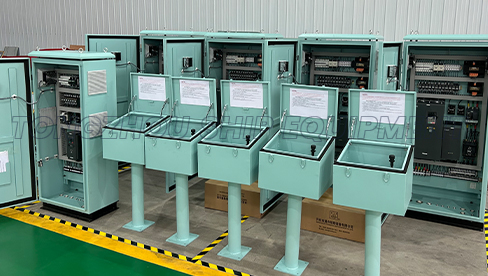
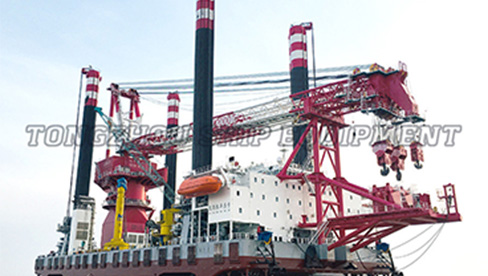


An anchor capstan is a vertical-axis deck machine that pulls anchor chain, wire rope, or mooring lines by rotating a drum around a vertical spindle. In practical terms, you should choose an anchor capstan when you need a compact deck footprint, a wide line lead angle, and the ability to pull a rope from almost any direction. If your primary job is handling heavy anchor chain with a wildcat, a windlass will usually serve you better. The sections below explain how anchor capstans work, how they compare with windlasses and other drive types, and which specifications matter most during selection.
How an Anchor Capstan Works
An anchor capstan does one primary job: it multiplies the crew's pulling force to recover chain, rope, or cable around a vertical drum. The drive unit rotates the shaft, the drum turns, and the line is made fast around the drum; friction between the drum and the line creates the pulling force. The operator controls start, stop, speed, and direction from a local control station or a remote deck station. Because the capstan drum is vertical, the rope can lead into it from a wide range of angles, which makes it especially useful around fairleads and mooring decks.
Main Components of an Anchor Capstan
- Vertical drum or gypsy — provides the pulling surface for chain or rope.
- Drive unit — electric motor, hydraulic motor, or diesel engine.
- Gearbox and shaft — transmit torque from the drive to the drum.
- Brake — holds the load when the power is off.
- Control system — start, stop, speed, and direction controls.
- Base frame — transfers the load to the ship's deck structure.
Anchor Capstan vs. Windlass: Key Differences
The main difference is that a windlass uses a horizontal shaft with a wildcat to handle anchor chain, while an anchor capstan uses a vertical shaft and a drum, with no positive chain-wildcat engagement. This affects deck space, chain handling, and how the line is led around the unit.
| Factor | Anchor Capstan | Windlass |
|---|---|---|
| Shaft orientation | Vertical | Horizontal |
| Chain handling | Pulls rope or chain; often combined with a gypsy | Uses a wildcat with pockets for chain links |
| Deck footprint | Compact and easier to fit in tight areas | Usually longer and heavier |
| Line lead angle | Rope can approach from a wide range of angles | Line lead must align with the drum axis |
| Typical use | Mooring, warping, light anchoring assistance | Primary anchor handling with chain |
A windlass remains the first choice for primary anchor handling because its wildcat engages the chain positively, and the chain stopper holds the anchor load while the unit is not running. For secondary anchoring, mooring stations, or deck layouts that need a small vertical unit, an anchor capstan offers more layout freedom. If you compare free-fall versus standard electric windlass behaviour, note that capstans rarely offer free-fall chain deployment because their drums are mainly used for rope.
Drive Types: Electric, Hydraulic, or Diesel
Drive selection is the first decision after you know the required pull. For most heavy marine duties, hydraulic capstans provide the best torque-to-weight ratio and smooth speed control; for smaller boats and simple installations, electric capstans are easier to install and maintain; for remote or emergency locations without reliable ship power, diesel-driven capstans keep the deck independent of the ship's electrical system. Electric and hydraulic versions of our anchor capstan models are built for continuous marine duty and can be supplied with local or remote controls.
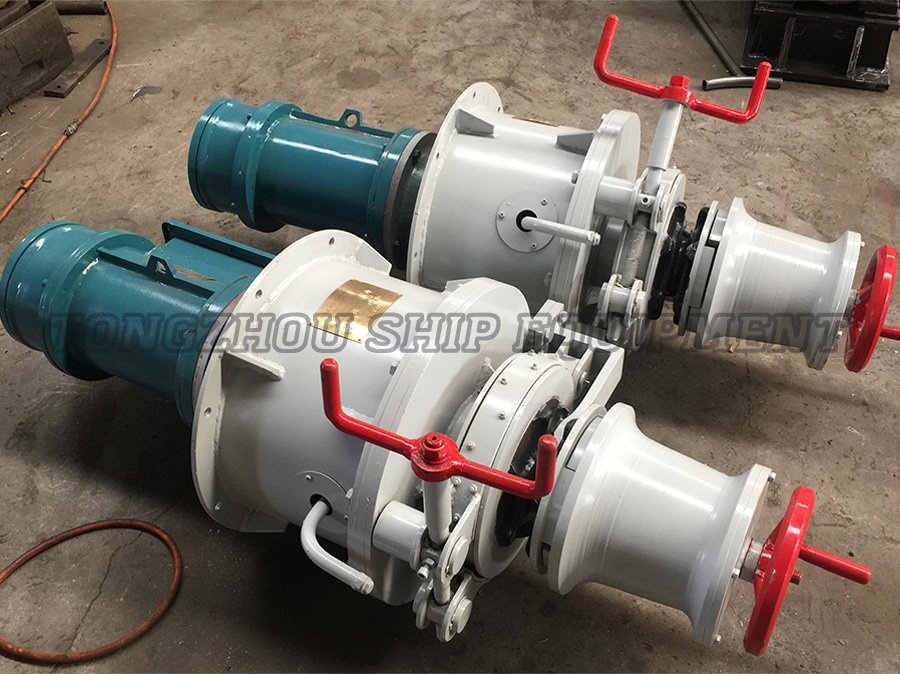 Custom Marine Anchor Capstan Suppliers, Company As China Marine Anchor Capstan suppliers and custom Anchor Capstan company, Xinghua Tongzhou Ship Equipment Co., Ltd. offers high-quality... View Product →
 | Drive Type | Best Suited For | Main Advantage | Main Consideration |
|---|---|---|---|
| Electric | Small to medium vessels, mooring and anchoring duties | Clean, simple, and easy to control | Requires reliable ship power and overload protection |
| Hydraulic | Medium to large vessels, heavy loads, rough seas | High torque at low speed and smooth overload resistance | Needs a hydraulic power unit and deck piping |
| Diesel | Remote installations, emergency pulling, no external power | Independent of ship power | More maintenance, larger footprint, noisier |
Hydraulic capstans also make it easier to control line speed in heavy seas because the hydraulic circuit can limit torque and stall without damaging the motor. This is a major advantage when the vessel is pitching and the line load changes quickly.
How to Select an Anchor Capstan
The right anchor capstan starts from the load, not from the voltage or pipe size. Calculate the maximum line pull you need at the worst-case operating condition, then choose a capstan with a rated pull above that figure. A common practice is to use a safety margin of 25–50% above the calculated load.
- Maximum rated pull: Match or exceed the worst mooring or anchor load, ideally by 1.25–1.5 times.
- Line speed: Typical capstan speeds for mooring are 15–30 m/min; anchoring often needs slower, controlled speed.
- Drum and gypsy size: Confirm the drum diameter and gypsy pocket match your rope diameter or chain pitch.
- Drive and control voltage: Check whether your vessel provides AC or DC power, or whether you need a hydraulic power unit.
- Duty cycle: A capstan for continuous mooring needs more cooling and a stronger motor than a short-duty anchor capstan.
- Certification: Note the classification society rule and any statutory requirements for your flag state.
When your deck layout must handle both anchor chain and mooring lines from one machine, a combined windlass and mooring winch can save space and simplify the hydraulic or electric control system. This is often a practical alternative for workboats, tugs, and offshore supply vessels.
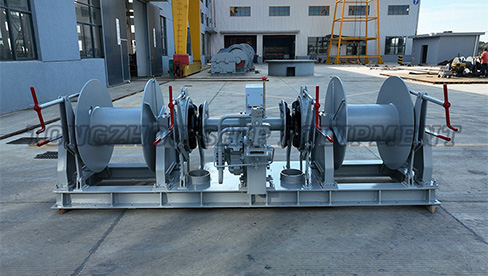 Mooring Winch Manufacturers, Mooring Equipment Factory As China mooring equipment factory and mooring winch manufacturers, Xinghua Tongzhou Ship specialize in the wholesale of mooring equipme... View Product →
 Installation and Maintenance Considerations
A capstan will only be as reliable as its foundation and maintenance schedule. The unit must sit on a flat, reinforced deck plate, and the gearbox alignment must be checked after the anchor bolts are tightened.
- Align the capstan base and shim it, then weld or bolt the base plate to the deck.
- Lubricate the gearbox, shaft bearings, and gypsy bushings according to the manual.
- Inspect hydraulic hoses, electric motor terminals, and seals in high-temperature or salty environments.
- Test the brake monthly with a load; replace worn brake linings before they score the drum.
- Check fasteners for loosening after the first heavy operation, then at every scheduled maintenance interval.
Because the drum is exposed to the weather, construction quality matters. The design of our vertical capstan units makes the drum removable without dismantling the motor, which simplifies bearing and seal replacement during refits.
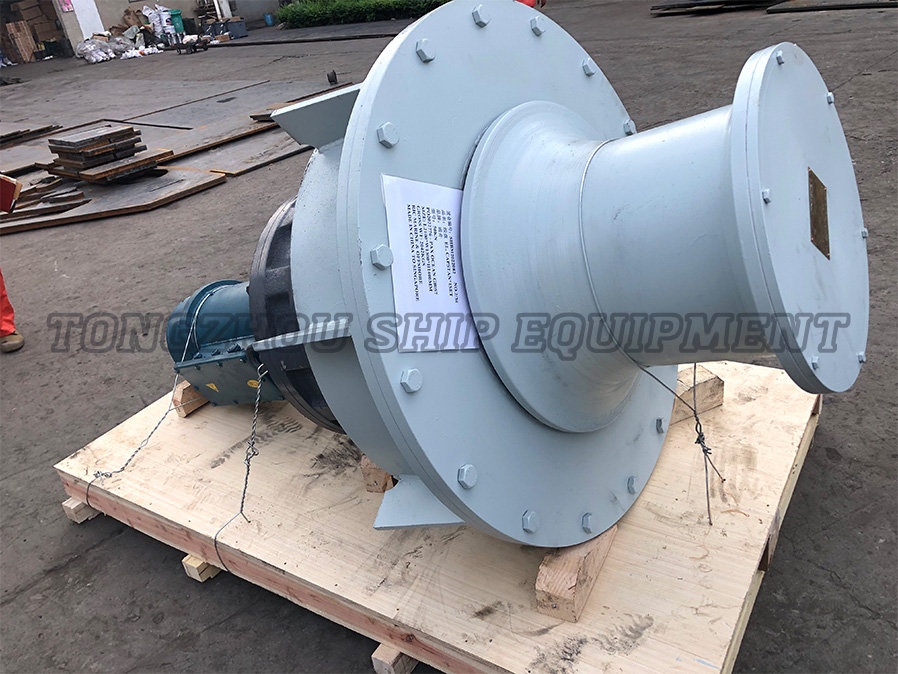 Custom Marine Capstan Supplier, Marine Capstan Company As China marine capstan supplier and marine capstan company, Xinghua Tongzhou Ship Equipment Co., Ltd. offers custom marine capstan for s... View Product →
 Safety Features That Matter
Safety should be assessed as a package, not as one switch. The minimum required features are an independent brake, an emergency stop, overload protection, and a chain stopper or rope stopper when heavy loads are being handled.
- Emergency stop: shuts down the motor and applies the brake immediately.
- Mechanical brake: holds the rope load when power is lost or the crew stops the unit.
- Overload protection: prevents the motor or hydraulic pump from increasing torque beyond safe limits.
- Chain stopper or rope stopper: takes the load off the capstan after the anchor is set.
- Pinch-point guards: reduce the risk of clothing or rope being pulled into the rotating drum.
Frequently Asked Questions
Can an anchor capstan replace a windlass?
Only in light-duty rope applications. If you need to handle a heavy anchor chain, the windlass's wildcat and chain stopper give positive engagement that a smooth capstan drum cannot provide. For chain-and-rope combination systems, use a combined anchor and mooring unit.
How much pulling force do I need?
Calculate the total weight of the anchor and the deployed chain, add friction and sea-state resistance, then add a safety margin of at least 25%. A certified deck machinery supplier can help you verify the figure before you order.
Is hydraulic or electric better for an anchor capstan?
Hydraulic gives smoother speed control and self-limiting torque, making it ideal for heavy loads on large vessels. Electric is simpler, cleaner, and often sufficient for smaller yachts, trawlers, and workboats.
How often should I service the capstan?
Do a visual inspection before every operation, lubricate monthly, and carry out a full service including brake check and gearbox oil change at the interval in the manufacturer's manual.
Final Recommendation
Start with the load case, not the catalogue. Define the heaviest anchor and chain combination, the maximum expected line pull, the available deck space, and the ship's power supply. Then compare a vertical anchor capstan, a windlass, or a combined windlass-and-mooring unit against those limits. For most new installations, an electric or hydraulic capstan from a manufacturer with class-society certification gives you a predictable, serviceable deck machine; the final choice should always come back to your vessel's actual anchoring conditions and operating pattern.